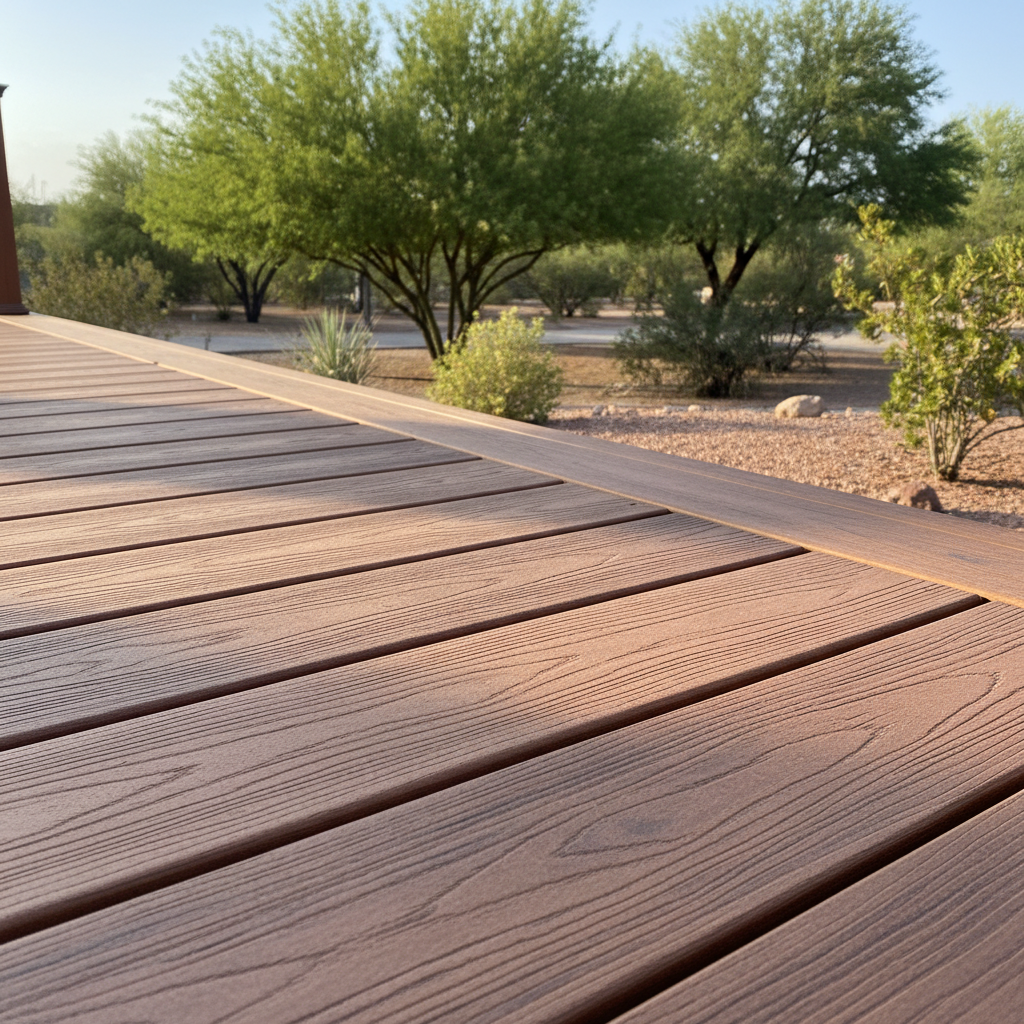
So, you're thinking about a Trex deck, huh? Good choice for our Arizona climate, really. I see a lot of folks around Coolidge, especially in those newer developments near McCartney Road, looking for something low-maintenance that can stand up to our brutal summers and those sudden monsoon downpours. Trex is definitely a popular option, and for good reason. But before you jump in, let's talk about what you really need to know, what you can probably handle yourself, and when you absolutely should call in a professional.
Before You Start: Planning Your Trex Deck
First things first, you gotta plan. Don't just eyeball it, okay? This isn't like throwing down a patio slab. You need to think about size, shape, and where it's going to connect to your house. What's its purpose, anyway? Is it for grilling and entertaining? Or just a quiet spot for morning coffee? That'll dictate how big it needs to be and what features you might want, like built-in benches or planters.
Here's what you need to figure out:
- Permits: Yeah, I know, paperwork. But you'll almost certainly need a permit from the City of Coolidge for a deck, especially if it's attached to your house or above a certain height. Don't skip this. Building without one can cause huge headaches down the line when you go to sell, or if an inspector catches wind of it.
- Design & Layout: Sketch it out. Think about traffic flow, sun exposure, and how it integrates with your yard. Trex comes in different colors and styles, so pick something that complements your home.
- Foundation: This is critical, especially with our expansive clay soils here in Pinal County. You need proper footings that go deep enough to prevent shifting and heaving. This isn't a place to cut corners.
- Material Quantities: Once you have a design, you can start calculating how much Trex decking, framing lumber (usually pressure-treated wood), fasteners, and other hardware you'll need. Don't forget about joist tape – it helps protect your substructure from moisture and extends its life.
For the planning and permit stuff, you can probably handle the research and initial sketches yourself. But when it comes to structural calculations for footings and framing, especially if it's a complex design or elevated, that's where a pro's input is invaluable. A good contractor can help you navigate the permit process and ensure your design meets local building codes.
During the Build: DIY vs. Calling a Pro
Alright, plans are approved, materials are ordered. Now for the actual construction. This is where the DIY line gets a little blurry.
What you can realistically DIY:
- Demolition: If you're replacing an old deck, tearing down the existing structure is usually pretty straightforward, assuming it's not falling apart in a dangerous way.
- Basic Framing (if you're experienced): If you've built things before, understand proper spacing, leveling, and fastening techniques, you might be able to tackle the substructure. You'll need good tools: a miter saw, circular saw, level, drill, and impact driver are essential.
- Decking Installation: Laying the Trex boards themselves is often considered the most DIY-friendly part. Trex has specific fastening systems (hidden fasteners are popular for a clean look), and if you follow their instructions carefully, you can get a great result. It's repetitive work, but not overly complicated.
When to absolutely call in Coolidge Deck Builders (or another pro):
- Complex Footings & Framing: If your deck is high off the ground, involves multiple levels, or needs to account for tricky terrain, get a pro. Improper framing can lead to a wobbly, unsafe deck, and that's not something you want to mess with.
- Stairs & Railings: Building safe, code-compliant stairs and railings requires precision. The rise and run of stairs, baluster spacing, and railing height are all regulated for safety. This is another area where mistakes can be dangerous.
- Electrical Work: Planning for deck lighting or outdoor outlets? Unless you're a licensed electrician, leave this to the experts.
- Time & Tools: If you don't have the time, the right tools, or the patience for a big project, don't force it. A deck build is a significant undertaking.
Honestly, even if you're handy, having a pro handle the framing and then you do the decking can be a good compromise. It ensures the foundation is solid, and you get to save some money on the finish work.
After It's Built: Maintenance & Care
This is where Trex really shines, especially compared to wood decks in our desert climate. The whole point of composite is low maintenance, right?
You won't be staining or sealing your Trex deck every year, which is a huge win against our intense sun. But low maintenance doesn't mean no maintenance. Here's what you still need to do:
- Regular Cleaning: Dust and dirt will accumulate, especially with our desert winds. A simple sweep and occasional wash with soap and water (or a composite deck cleaner) will keep it looking good. For stubborn spots, a soft-bristle brush works.
- Watch for Debris: Clear leaves, dirt, or anything that can trap moisture, especially between boards.
- Inspect Annually: Just like anything else, give your deck a once-over every year. Check for loose fasteners, make sure railings are secure, and look for any signs of wear or damage. Our temperature swings can be tough on materials, so a quick check can catch small issues before they become big ones.
For most of this post-build care, you're totally on your own. It's simple stuff. If you notice any structural issues during your annual inspection, or if a board gets damaged beyond a simple cleaning, then it's time to call in a professional for repairs. But for the most part, once your Trex deck is built, you'll be spending more time enjoying it and less time working on it. That's the whole idea.