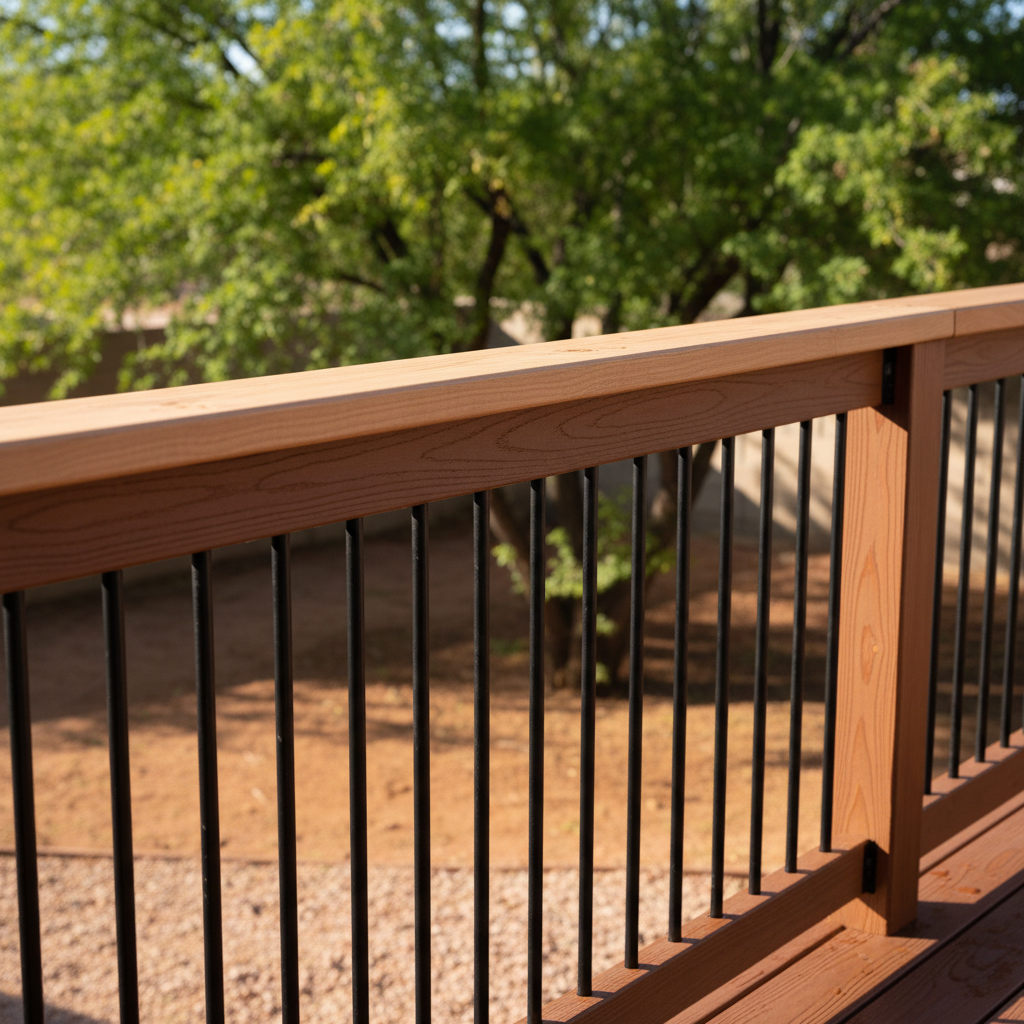
Do I even need a railing on my deck?
That's a question we hear a lot, and for most decks, the quick answer is: absolutely, yes. Building codes, both nationally and right here in Coolidge, are pretty clear about this. If your deck surface sits more than 30 inches above the ground at any point, you're required to have a railing. This isn't just some random rule, you know; it's all about keeping people safe. Nobody wants an unexpected tumble, especially if you've got kids or older family members around. Even if your deck is just shy of that 30-inch mark, I often suggest putting one in anyway. It just adds a nice sense of security and really finishes off the whole look.
What's the standard height for deck railings?
Again, this comes down to code, and it's fairly consistent across the board. For residential decks, your railing needs to be at least 36 inches high. We measure that from the deck surface right up to the top of the rail. Now, if you're talking about a commercial property or a multi-family dwelling, that height often jumps up to 42 inches. There are also rules about how much space can be between the balusters – those vertical posts. Typically, a 4-inch sphere shouldn't be able to pass through any opening in the railing. This is to stop small children from slipping through or, heaven forbid, getting their heads stuck. We always build to code, so you won't have to worry about passing any inspection.
What materials are best for railings in Coolidge's climate?
Our Arizona sun and heat are no joke, right? You've probably seen what it can do to things left outside. When it comes to railing materials, you really want something that can stand up to those intense UV rays and big temperature swings. Here's what I recommend most often:
Composite: This is a fantastic choice, especially if you've already got a composite deck. It's built to resist fading, warping, and cracking, and it won't splinter. Maintenance is super low – just a wash every now and then. It might cost a bit more upfront, but it definitely pays off in how long it lasts and how easy it is to care for.
Aluminum: Another excellent option for our climate. Aluminum railings are incredibly durable, they won't rust, and they come in various powder-coated colors that hold up really well to the sun. They give a sleek, modern look and need almost no maintenance at all. They're lightweight, but surprisingly strong.
Vinyl/PVC: These are low-maintenance and won't rot, rust, or splinter. You'll usually find them in a few colors, like white or tan, and they can mimic the look of wood. Just a heads up, though: they can get a little brittle over time in extreme heat if you don't pick a quality product, so make sure you're getting a good brand.
Wood: If you really love that natural look, wood is still an option, but you'll need to commit to more upkeep. You'll want to use pressure-treated lumber, cedar, or redwood, and plan on staining or sealing it every couple of years. That's how you protect it from the sun and our occasional monsoon moisture. Even with all that, wood can still check and crack over time here.
Can I mix and match different railing styles or materials?
Absolutely! In fact, that's where you can really get creative and personalize your deck. We see a lot of folks here in Coolidge doing things like combining composite posts and top rails with aluminum balusters for a modern feel, or using wood posts with cable railing for an unobstructed view. Glass panels are another popular choice, especially for those amazing desert views, though they do need more frequent cleaning to keep them sparkling. Just make sure whatever combination you choose still meets those safety codes for strength and spacing. We can definitely help you design something that looks fantastic and is totally compliant.
How long does railing installation take?
Once the deck structure itself is built, adding the railings usually goes pretty quickly. For an average-sized deck, say 200-300 square feet, we can often get the railings installed in a day or two. That depends on how complex the design is and what material we're using. Custom features, like curved sections or intricate post caps, might add a little more time. We always aim to work efficiently without cutting corners on quality, because a solid railing system is crucial for safety and the overall integrity of your deck. You really don't want a rush job on something that's literally holding people up.
What kind of maintenance do deck railings need in Arizona?
This really depends on the material you choose. If you go with composite, aluminum, or vinyl, maintenance is pretty minimal. A good wash with soap and water a couple of times a year to get rid of dust and grime is usually all you need. Our dust storms, especially during monsoon season, can really coat everything, so a quick rinse after one of those helps keep things looking fresh. For wood railings, you're looking at more regular work – inspecting for rot or splinters, and re-staining or sealing every 2-3 years to protect against the sun's harsh UV rays. Regardless of material, it's always a good idea to periodically check all the fasteners to make sure everything is still tight and secure. Loose railings are a safety hazard, and we want your deck to be safe for years to come.
Why should I hire a professional like Coolidge Deck Builders for railing installation?
Look, I get it. Some folks are handy and like to tackle projects themselves. But deck railings aren't just about how they look; they're a critical safety component of your deck. There are specific building codes that need to be met, and if they're not, you could face issues with inspections, insurance, or even worse, someone getting hurt. A professional like us knows these codes inside and out. We have the right tools, the experience to install everything correctly and securely, and we can help you figure out the best material choices for our Coolidge climate and your budget. We've built enough decks around here, from the newer developments near McCartney Ranch to the older homes closer to downtown, to know what works and what doesn't. You're investing in your home and your family's safety, and that's not something you want to cut corners on, is it?